Thursday, August 12, 2010

EPA Proposes Clean Air Act Rules on GHG Emissions

The U.S. Environmental Protection Agency (EPA) is proposing two rules to ensure that businesses planning to build new, large facilities or make major expansions to existing ones will be able to obtain Clean Air Act permits that address their greenhouse gas (GHG) emissions.

In the spring of 2010, EPA finalized the GHG Tailoring Rule, which specifies that beginning in 2011, projects that will increase GHG emissions substantially will require an air permit. Today’s rules will help ensure that these sources will be able to get those permits regardless of where they are located. The Tailoring Rule covers large industrial facilities like power plants and oil refineries that are responsible for 70 percent of the GHGs from stationary sources. The proposals announced today are a critical component for implementing the Tailoring Rule and would ensure that GHG emissions from these large facilities are minimized in all 50 states and that local economies can continue to grow.

The Clean Air Act requires states to develop EPA-approved implementation plans that include requirements for issuing air permits. When federal permitting requirements change, as they did after EPA finalized the GHG Tailoring Rule, states may need to modify these plans. In the first rule, EPA is proposing to require permitting programs in 13 states to make changes to their implementation plans to ensure that GHG emissions will be covered. All other states that implement an EPA-approved air permitting program must review their existing permitting authority and inform EPA if their programs do not address GHG emissions.

Because some states may not be able to develop and submit revisions to their plans before the Tailoring Rule becomes effective in 2011, in the second rule, EPA is proposing a federal implementation plan, which would allow EPA to issue permits for large GHG emitters located in these states. This would be a temporary measure that is in place until the state can revise its own plan and resume responsibility for GHG permitting.

States are best-suited to issue permits to sources of GHG emissions and have long-standing experience working together with industrial facilities. EPA will work closely and promptly with states to help them develop, submit, and approve necessary revisions to enable the affected states to issue air permits to GHG-emitting sources. Additionally, EPA will continue to provide guidance and act as a resource for the states as they make the various required permitting decisions for GHG emissions.

EPA will accept comment on the first proposal for updated state implementation plans for 30 days after publication in the Federal Register. EPA has scheduled a hearing on the second proposal for the federal implementation plan on August 25, 2010, and will accept comment for 30 days after that hearing. The agency is working to finalize these rules prior to January 2, 2011, the earliest GHG permitting requirements will be effective.

More information

CCS Task Force Delivers Recommendations to Obama

President Obama’s Interagency Task Force on Carbon Capture and Storage (CCS), co-chaired by the U.S. Environmental Protection Agency (EPA) and the Department of Energy (DOE), delivered a series of recommendations to the president today on overcoming the barriers to the widespread, cost-effective deployment of CCS within 10 years.

CCS is a group of technologies for capturing, compressing, transporting and permanently storing power plant and industrial source emissions of carbon dioxide. Rapid development and deployment of clean coal technologies, particularly carbon capture and storage (CCS), will help position the United States as a leader in the global clean energy race. The report concludes that CCS can play an important role in domestic greenhouse gas (GHG) emissions reductions while preserving the option of using coal and other abundant domestic fossil energy resources.

In February 2010, the president charged the task force with proposing a plan to overcome the barriers to the widespread, cost-effective deployment of carbon capture and storage within 10 years, with a goal of bringing five to 10 commercial demonstration projects online by 2016. DOE is currently pursuing multiple demonstration projects using close to $4 billion in federal funds, matched by more than $7 billion in private investments, which will begin to pave the way for widespread deployment of advanced CCS technologies within a decade.

The report reflects input from 14 federal agencies and departments as well as hundreds of stakeholders and CCS experts. It addresses the incentives for CCS adoption and any financial, economic, technological, legal, institutional, or other barriers to deployment. The task force also considered how best to coordinate existing federal authorities and programs, as well as identify areas where additional federal authority may be necessary.

The report’s main findings and recommendations include:
· CCS is Viable: There are no insurmountable technical, legal, institutional, or other barriers to the deployment of this technology.
· A Carbon Price is Critical: Widespread cost-effective deployment of CCS is best achieved with a carbon price, but there are market drivers and actions that can and are taking place now, which are essential to support near-term CCS demonstration projects that will pave the way for broader deployment after a carbon price is in place.
· Federal Coordination should be Strengthened: With additional federal actions and coordination, the task force believes our nation can meet the president's near-term goal and get 5-10 commercial demonstration CCS demonstration projects online by 2016. The report recommends the creation of a standing federal agency roundtable and expert committee to facilitate that goal.
· Recommendations on Liability: The task force conducted an in-depth analysis of options to address concerns that long-term liability could be a barrier to CCS deployment. It concluded that open-ended federal indemnification is not a viable alternative but that four approaches merit further consideration: relying on existing frameworks, limits on claims, a trust fund, and transfer of liability to the federal government (with contingencies).
The report also encourages leveraging existing efforts among federal agencies, states, industry, and NGOs to gather information and evaluate potential key concerns about CCS in different areas of the United States and develop a comprehensive outreach strategy that would include: (1) a broad plan for public outreach targeted at the general public and decision makers; and (2) a “more focused engagement with communities that are candidates for CCS projects, to address such issues as environmental justice.”

The full report and the presidential memorandum establishing the task force. (EPA)

Wednesday, August 11, 2010

Energy Leaders from 19 Countries To Attend Global Forum

International Collaboration Tops Agenda

The GridWise Alliance, in partnership with the United States Department of Energy, are hosting business and government leaders from 19 countries at the inaugural GridWise Global Forum, September 21-23 in Washington, DC. Energy leaders from Australia, Bermuda, Brazil, Canada, China, Denmark, England, France, India, Ireland, Israel, Italy, Japan, Sierra Leone, Spain, Portugal, Netherlands, South Africa, South Korea, and the United States will participate in the Forum.

These thought leaders will take part in discussions about the global significance of accelerated smart grid deployments. On the opening day they will be joined by Samuel J. Palmisano, Chairman and CEO, IBM. On subsequent days, discussions will feature Dr. Steven Chu, U.S. Energy Secretary; Dr. Kandeh Yumkella, Director-General, United Nations Industrial Development Organization and Chairman of the UN Energy and Climate Change Advisory Group; and, Jeff Immelt, Chairman and CEO, General Electric.

Featured international thought leaders confirmed to speak at the Forum include:

Josias Matos de Araujo, Electric Energy Secretary of Brazil, Ministry of Mines and Energy
Shane Breheny, CEO of CitiPower & Powercor, Chairman of Energy Networks Association of Australia (ENA) Paul Budde, Executive Director Smart Grid Australia, CEO of BuddeComm
Ann Cavoukian, Privacy Minister for the Province of Ontario, Canada
Daniel Dobbeni, CEO of Elia System Operator
Anders Eldrup, CEO of DONG Energy
Livio Gallo, CEO of Enel Distribuzione, Chairman of EDSO for Smart Grids Association
Mike Griffin, CEO of the Australian Power Institute
Mr. Ja-Kyun Koo, Chair, Korea Smart Grid Association, Vice Chairman & CEO of LS Industrial Systems
Amos Lasker, CEO of Israel Energy Corporation
Geoff Lillis, Executive General Manager of Energy Australia
Pier Nabuurs, CEO of KEMA
Mongezi Ntsokolo, Managing Director Transmission Division for Eskom
Eamon Ryan, Minister for Communications, Energy and Natural Resources for Ireland
Hon. Michael Scott, Minister of Energy, Telecommunications and E-Commerce, Ministry of Energy, Telecommunications and E-Commerce for the Government of Bermuda
John Shine, Deputy CEO, Electricity Supply Board of Ireland
João Torres, CEO of EDP Distribution
Professor Wu Jiandong, Director of the Smart Energy Research Team for China Center for International Economic Exchange (CCIEE)


More information about the GridWise Global Forum and to register for the event

Department of Energy Announces FutureGen 2.0

Department off EnergyAnnounces FutureGen 2.0

Awards $1 Billion in Recovery Act Funding for Carbon Capture and Storage Network in Illinois

Today, U.S. Energy Secretary Steven Chu and U.S. Senator Dick Durbin (D-IL) announced the awarding of $1 billion in Recovery Act funding to the FutureGen Alliance, Ameren Energy Resources, Babcock & Wilcox, and Air Liquide Process & Costruction, Inc. to build FutureGen 2.0, a clean coal repowering program and carbon dioxide (CO2) storage network. The project partners estimate the program will bring 900 jobs to downstate Illinois and another 1,000 to suppliers across the state.

This investment in the world’s first, commercial-scale, oxy-combustion power plant could help to open up the over $300 billion market for coal unit repowering and position the country as a leader in an important part of the global clean energy economy.

With the funds announced today, the partner recipients will repower Ameren’s 200 megawatt Unit 4 in Meredosia, Illinois with advanced oxy-combustion technology. The plant’s new boiler, air separation unit, CO2 purification and compression unit will deliver 90 percent CO2 capture and eliminate most SOx, NOx, mercury, and particulate emissions. Ameren Energy Resources estimates that the retrofitting of the plant is expected to create approximately 500 construction jobs and allow Ameren to recall 50 permanent workers who were laid off last year.

This project will also provide performance and emissions data for future commercial guarantees, and establish operating and maintenance experience for future large-scale commercial projects. The FutureGen Alliance will help design the test program for the new facility to incorporate a broad range of coals and operating conditions to expand the market for this repowering approach.

In addition, the project partners, working with the State of Illinois, will establish a regional CO2 storage site in Mattoon, Illinois and a CO2 pipeline network from Meredosia to Mattoon that will transport and store more than 1 million tons of captured CO2 per year. The project partners estimate the new pipeline network is expected to create 275 contruction jobs and 75 permanent jobs. The pipeline network, along with the repository in Mattoon, helps to lay the foundation for a regional CO2 network. The Mattoon site will be used to conduct research on site characterization, injection and storage, and monitoring and measurement.

Oxy-combustion burns coal with a mixture of oxygen and CO2 instead of air to produce a concentrated CO2 stream for safe, permanent, storage. In addition, oxy-combustion technology creates a near-zero emissions plant by eliminating almost all of the mercury, SOx, NOx, and particulate pollutants from plant emissions. The Department of Energy’s National Energy Technology Laboratory studies have identified oxy-combustion as potentially the least cost approach to clean-up existing coal-fired facilities and capture CO2 for geologic storage. (DOE)

UPDATE: Matoon Rejects FutureGen 2.0

In a statement released by Angela Griffin, the President of Coles Together, she announced that Coles County will reject the FutureGen 2.0 project. Here is the statement that was released:

It is with great disappointment that I must inform you that the citizens, neighbors near the site, business leaders, and community leaders in Coles County are nearly unanimous in the belief that the pursuit of FutureGen 2.0, as proposed, is not in our best interest. Unfortunately, our role in FutureGen 2.0 does not support that effort. If FutureGen 2.0 moves ahead with the revised structure described today, it must be without Coles County.
(WTHITV10)

SACE Lawsuit Against DOE Re Plant Vogtle FOIA

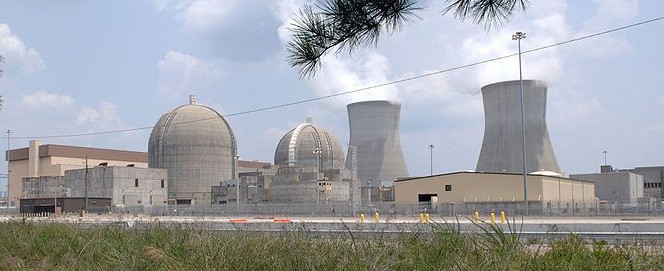
Plant Vogtle
According to a lawsuit filed yesterday by the Southern Alliance for Clean Energy (SACE), U.S. taxpayers are being denied timely access to information that could be used to assess the risk to their pocketbooks posed by the $8.33 billion federal loan guarantee for two proposed nuclear reactors at Southern Company's Plant Vogtle in Georgia. SACE claims that all meaningful details of the deal have remained shrouded in secrecy.

SACE filed the lawsuit because of DOE's failure to comply with a Freedom of Information Act (FOIA) request filed on March 25, 2010. Under FOIA, DOE was obliged to respond to the SACE request by April 22 – well in advance of when DOE and Southern finalized the loan guarantee deal on June 11, 2010. However, DOE released no documents to SACE until July 6, 2010. When DOE finally released a handful of documents relating to the Vogtle loan guarantees, they were heavily redacted, with all important details blacked out. (To see one of the DOE-censored documents)

The March 25, 2010 SACE FOIA request covered such items as: the Southern Company loan guarantee; related correspondence between DOE and Southern Nuclear Operating Company, Georgia Power Company, Oglethorpe Power Corporation, Municipal Authority of Georgia, and the City of Dalton, Georgia; environmental review records related to the loan guarantee request; any credit analysis conducted by DOE in relation to the loan guarantee; all records related to the general terms and conditions of the loan guarantee; and all records related to issuance of the loan guarantee.

Full text of the SACE court filing

(PRNewswire, 8/20/2010)

Constellation Energy Acquiring Boston Generating Gas Fleet

Constellation Energy Signs Agreement to Acquire the 2,950 MW Boston Generating Gas Fleet in New England

Constellation Energy today announced it has signed an asset purchase agreement with Boston Generating to acquire its 2,950-megawatt fleet, the third largest power generating portfolio in the New England region, for approximately $1.1 billion, or roughly $372/kW. The proposed transaction is expected to be consummated through a court-approved bankruptcy proceeding to be initiated by Boston Generating. If approved, Constellation Energy's bid would then be considered the price to be beat in an asset auction to be held later this year.

If Constellation Energy is ultimately the successful acquirer, under terms of the agreement it would acquire Boston Generating's five power plants located in the Boston area: four natural gas fired plants, including Mystic 8 and 9 (1,580 megawatts), Fore River (787 megawatts), Mystic 7 (574 megawatts); and a fuel oil plant, Mystic Jet (9 megawatts).

Constellation Energy has previously stated its interest in acquiring physical generation assets in the New England Power Pool (NEPOOL), where the company operates large retail and wholesale competitive supply businesses. Constellation Energy currently serves approximately 13.3Twh of customer load in the NEPOOL market where Boston Generating is located. The company currently has no generation assets in the region.

(SOURCE: Constellation Energy, Media: Lawrence McDonnell, 410-470-7433 or Investors: Carim Khouzami, 410-470-6440)

DOE Secretary Chu Establishes Energy Advisory Committee

The Department of Energy announced the members of Secretary Steven Chu's Energy Advisory Board today. According to the DOE press release:

“The Board will provide advice and recommendations to the Secretary on the Department’s basic and applied research, economic and national security policy, educational issues, operational issues and other activities as directed by the Secretary.”
List of members:

Norman Augustine Former Chairman & CEO, Lockheed Martin, Former Army Under Secretary
Ralph Cicerone President of National Academy of Sciences
John Deutch MIT Chemist, Former Under Secretary of Energy
Nicholas Donofrio Former EVP of Innovation and Technology, IBM
Alexis Herman Former Secretary of Labor
Chad Holliday, Jr. Former CEO of Dupont
Michael McQuade Senior VP, United Technologies Corporation
William Perry Former Secretary of Defense, Stanford University Professor
Arthur Rosenfeld Former Commissioner, California Energy Commission
Susan Tierney Managing Principle, Analysis Group
Steven Westly Managing Partner, Westly Group
Daniel Yergin President, Cambridge Energy Research Associates

TSCA Inventory Update Reporting Modifications

EPA has posted a prepublication version of its proposed modifications to the IUR rule on the Agency's Web site. (See the "Announcements" box on the right hand side of the page.) The proposed rule is expected to be published in the Federal Register on Friday, August 13th. The 60 day public comment period will begin on the date of publication in the Federal Register

The Toxic Substances Control Act (TSCA) Inventory Update Reporting (IUR) rule enables EPA to collect and then make public critical information on the manufacturing, processing, and use of
commercial chemicals, including current information on volumes of chemical production, manufacturing facility data, and how the chemicals are used. This information helps the Agency determine whether chemicals may be dangerous to people or the environment. EPA proposes to amend the TSCA IUR rule, thereby providing improved information for EPA to better identify and, where appropriate, take steps to manage risks associated with chemical substances and
mixtures (referred to hereafter as chemical substances). Additionally, improved information would be available for the public.

The IUR rule, promulgated under TSCA section 8(a), requires manufacturers (including importers) of certain chemical substances on the TSCA Chemical Substance Inventory (TSCA Inventory) to report information about the manufacturing (including import), processing, and use of those chemical substances. EPA is proposing to require electronic reporting of IUR information and to modify IUR reporting requirements, including certain circumstances that trigger reporting, the specific data to be reported, the reporting standard for processing and use
information, and Confidential Business Information (CBI) reporting procedures. These modifications would provide information to better address Agency and public information needs, improve the usability and reliability of the reported data, and ensure that data are available
in a timely manner.

DATES: Comments must be received on or before [insert date 60 days after date of publication in the Federal Register.

ADDRESSES: Submit your comments, identified by docket identification (ID) number EPA–HQ–OPPT–2009–0187, by one of the following methods:

Federal eRulemaking Portal: Follow the on-line instructions for submitting comments.

• Mail: Document Control Office (7407M), Office of Pollution Prevention and Toxics (OPPT), Environmental Protection Agency, 1200 Pennsylvania Ave., NW., Washington, DC 20460–0001.
• Hand Delivery: OPPT Document Control Office (DCO), EPA East Bldg., Rm. 6428, 1201 Constitution Ave., NW., Washington, DC. Attention: Docket ID Number EPA–HQ–OPPT–2009–0187. The DCO is open from 8 a.m. to 4 p.m., Monday through Friday, excluding legal holidays. The telephone number for the DCO is (202) 564–8930.

Tuesday, August 10, 2010


WE SUPPORT CHARLIE RANGEL

BP Deposits $3 Billion To Start $20 Billion Account

BP has initiated a $20 billion compensation fund by depositing $3 billion into the account yesterday. The CEO of BP's Gulf Coast Restoration Organization, Robert 'Bob' Dudley, claims the $3 billion initial contribution to the escrow fund is intended to back up the company's pledge to "make good" economic losses caused by the spill to Gulf Coast fishermen, tourism operators and homeowners.

BP is selling about $30 billion in assets in order to finance the compensation fund. (Wash Post, 8/10/2010)

Plains Pipeline to Spend $41 Million to Prevent Oil Spills

Across 10,000 Miles of Pipeline

The U.S. Environmental Protection Agency (EPA) (Office of Enforcement and Compliance Assurance) and the Justice Department (Environment and Natural Resources Division) announced that Plains All American Pipeline and several of its operating subsidiaries have agreed to spend approximately $41 million to upgrade 10,420 miles of crude oil pipeline operated in the United States. The settlement resolves Plains’ Clean Water Act violations for 10 crude oil spills in Texas, Louisiana, Oklahoma, and Kansas, and requires the company to pay a $3.25 million civil penalty.

In the last year alone, transportation pipelines released more than two million gallons of oil into the environment, posing a serious threat to human health and natural habitats. The recent pipeline spill in the Kalamazoo River shows that the nation must be diligent in enforcing efforts to ensure that companies are meeting their environmental obligations.

Between June 2004 and September 2007, more than 273,000 barrels of crude oil were discharged from various pipelines and one tank owned and operated by Plains, some of which entered navigable waters or adjoining shorelines. The 10 spills ranged in size from 2.5 barrels to 4,500 barrels and most were caused by pipeline corrosion.

As part of the agreement, Plains, based in Houston, must take steps to replace or install corrosion control equipment, perform pipeline inspections, assess the integrity of newly acquired pipelines, improve leak detection practices and capabilities, and provide proper training for personnel. In addition, Plains must ensure that all breakout tanks used to replace or substitute existing tanks that relieve pipeline surges have adequate capacity to contain such surges and are properly located within secondary containment.

The Clean Water Act makes it unlawful to discharge oil or hazardous substances into waters of the United States or adjoining shorelines in quantities that may be harmful to the environment or public health. The $3.25 million penalty will be deposited in the federal Oil Spill Liability Trust Fund. The funds will be used to finance federal response activities and provide compensation for damages sustained from future discharges or threatened discharges of oil into water or adjoining shorelines. Oil spills are known to cause both immediate and long-term harm to human health and ecosystems, including the suffocation of wildlife and the contamination of nesting habitats

According to recent pipeline spill reports, in the last year, more than 50,000 barrels (2.1 million gallons) of oil spilled from transportation pipelines across the nation. EPA's enforcement responses to spills that affect waters of the United States under the Clean Water Act are critical to ensure that responsible companies are penalized for the spills and are required to take appropriate actions to reduce the potential for future spills.

The consent decree, filed in the U.S. District Court for the Southern District of Texas, is subject to a 30-day public comment period and approval by the federal court.

More information on the settlement

Monday, August 09, 2010

EPA Issues Final Rules on Cement Plant Mercury Emissions

EPA Sets 1st National Limits to Reduce Mercury & Other Toxic Emissions from Cement Plants
The U.S. Environmental Protection Agency (EPA) is issuing final rules that will protect Americans’ health by cutting emissions of mercury, particle pollution and other harmful pollutants from Portland cement manufacturing, the third-largest source of mercury air emissions in the United States. The rules are expected to yield $7 to $19 in public health benefits for every dollar in costs.

Mercury can damage children’s developing brains, and particle pollution is linked to a wide variety of serious health effects, including aggravated asthma, irregular heartbeat, heart attacks, and premature death in people with heart and lung disease. This action sets the nation’s first limits on mercury air emissions from existing cement kilns, strengthens the limits for new kilns, and sets emission limits that will reduce acid gases. This final action also limits particle pollution from new and existing kilns, and sets new-kiln limits for particle and smog-forming nitrogen oxides and sulfur dioxide.

When fully implemented in 2013, EPA estimates the annual emissions will be reduced:

· Mercury – 16,600 pounds or 92 percent

· Total hydrocarbons – 10,600 tons or 83 percent· Particulate Matter – 11,500 tons or 92 percent

· Acid gases – (measured as hydrochloric acid): 5,800 tons or 97 percent· Sulfur dioxide (SO2)– 110,000 tons or 78 percent

· Nitrogen oxides (NOx) – 6,600 tons or 5 percentMercury in the air eventually deposits into water, where it changes into methylmercury, a highly toxic form that builds up in fish.
People are primarily exposed to mercury by eating contaminated fish. Because the developing fetus is the most sensitive to the toxic effects of methylmercury, women of childbearing age and children are regarded as the populations of greatest concern. EPA estimates that the rules will yield $6.7 billion to $18 billion in health and environmental benefits, with costs estimated at $926 million to $950 million annually in 2013. Another EPA analysis estimates emission reductions and costs will be lower, with costs projected to be $350 million annually.

More information

Contact: Enesta Jones
202-564-7873, 202-564-4355

Cement Industry Concerned About New EPA Standards

The Portland Cement Association (PCA) today released the following statement regarding the U.S. Environmental Protection Agency’s final regulations to the portland cement National Emission Standard for Hazardous Air Pollutants. The statement below is attributable to Brian McCarthy, CEO and president, Portland Cement Association, located in Skokie, Illinois:

“The Final Rule issued today by EPA on amendments to the national emission standard for hazardous air pollutants (NESHAP) from the portland cement manufacturing industry will require portland cement facilities to limit emissions of mercury, total hydrocarbons, hydrochloric acid and particulate matter. Although the standards in the final rule are not quite as stringent as those originally proposed in May 2009, the emission limits are still very low and will not be achievable by some facilities.

Compliance with the rule will cost the industry several billion dollars, and require investments in pollution control equipment at a time when available capital is considerably constrained due to the state of the economy. Moreover, the large number of other regulatory requirements anticipated to affect the industry over the coming years complicates acquiring and installing the necessary emission controls for this rule. This could lead to additional cement plant closures, job losses and a reduction in U.S. cement production capacity.

More cement will need to be imported to make up for shrinking domestic supply. We fear this could constrain the U.S. government’s efforts to stimulate the economy, create jobs and rehabilitate the nation’s infrastructure. Additionally, imports of cement, mostly likely from developing nations, will cause global increases of greenhouse gas, mercury and other pollutant emissions.

Although the EPA did factor into the final rule new emissions data the industry collected in 2009 and 2010, PCA believes that there are approaches that EPA could have pursued, such as creating emission standards for subcategories of industry facilities and using risk-based policy approaches to address hydrochloric acid (HCl), rather than imposing an HCl emission standard for the purpose of limiting sulfur dioxide emissions. These approaches would have achieved the environmental objectives of the Clean Air Act, while also preserving U.S. cement production capacity.”
(Frank Maisano)

BP Spill Panel to Host DC Public Hearing

On Thursday, August 25th, the BP Spill Commission, headed by former EPA Administrator William Reilly and former Sen. Bob Graham, will hold a DC hearing on the BP incident. The hearing will last from 9am-5pm and will take place at the Ronald Reagan Building and International Trade Center.

Friday, August 06, 2010

Kalamazoo River Oil Spill

A broken pipeline oil spill 100 miles west of Detroit in the Kalamazoo River is part of a larger pattern of inadequate government oversight and supervision and an industry that is prone to cut corners. The Michigan spill appears to have begun late July 25 when something broke in a 30-inch pipeline that carries oil from Canada to Midwestern refineries. The leak was not noticed until 11:45 the next morning. By then, an estimated 19,500 barrels (819,000 gallons) had escaped. The spill turned Talmadge Creek into a stream of oil and made a section of the larger Kalamazoo River run black.

The Pipeline and Hazardous Materials Safety Administration, an arm of the Transportation Departmen had sent a "warning letter" to Enbridge Inc. about the pipeline, Line 6B. The agency says the pipeline, where 250 "anomalies" had been found the previous June, lacked some working monitors intended to detect internal corrosion. In February EPA met with Enbridge's leaders to complain about larger safety problems. On July 15, Enbridge asked for an extension on its deadline to repair Line 6B. Before the agency could reply, the pipe apparently broke. "I don't think the answer is more government oversight or the need for new

Millions of gallons of an oil-and-water mixture have been vacuumed up Mark Durno, the EPA's incident commander, believes the site to be cleaned up even as costs to do so are estimated to be around $100 million. The National Wildlife has written a report documenting hundreds of accidents in the oil and gas industry in the past decade.(Wash Post, 8/6/2010, photo courtesy AP)

EPA Hearings on Coal Ash

The U.S. Environmental Protection Agency is hosting five public hearings on the Agency’s June 21, 2010 proposal to regulate the disposal and management of coal ash from coal-fired power plants. EPA invites the public to provide written comments on the proposal until September 21, 2010. Each hearing will begin at 10 a.m. and continueuntil 9 p.m., local time or later if necessary. To help the Agency plan for attendance at the hearings, they encourage you to preregister to speak at the hearings, additionally, walk-ins and written comments will be accepted at each hearing. The proceedings of each hearing will be transcribed by a court reporter for the official record. The Agency will consider all significant comments in its final decision.

When:

August 30: Hyatt Regency, 2799 Jefferson Davis Highway, Arlington, VA 22202, Phone: (703) 418-1234.

September 2: Grand Hyatt, 1750 Welton Street, Denver, CO 80202, Phone: (303) 295-1234.

September 8: Hyatt Regency Dallas, 300 Reunion Boulevard, Dallas, TX 75207, Phone: (214) 651-1234, http://www.dallasregency.hyatt.com/.

September 14: Holiday Inn Charlotte (Airport), 2707 Little Rock Road, Charlotte, NC 28214, Phone: (704) 394-4301.

September 16: Hilton Chicago, 720 South Michigan Avenue, Chicago, IL 60605, Phone: (312) 922-4400.

September 21: Omni Hotel, 530 William Penn Place, Pittsburgh, PA 15219, Phone (412) 281-7100.

September 28: Seelbach Hilton, 500 Fourth Street, Louisville, KY 40202, Phone (502) 585-3200.

To preregister to speak at the hearings, please visit: or call 703-308-8429

Background: EPA’s proposal is the first-ever national effort to ensure the safedisposal and management of coal ash from coal-fired power plants. The need for national management criteria and regulation was emphasized by the December 2008 spill of coal ash from a surface impoundment near Kingston, TN. The Agency has proposed two main management approaches, one of which effectively phases out surface impoundments, moving all coal ash to landfills; the other allows coal ash to be disposed insurface impoundments, but with stricter safety criteria.

More information about the proposed regulation

Chart comparing the two approaches

Thursday, August 05, 2010

EPA Collaborative Website & 1-Hour NO2 NAAQS PSD Program

EPA Launches a Collaborative Web Site for Integrated Environmental Modeling

The U.S. Environmental Protection Agency has launched a new on-line tool for scientific collaboration and knowledge sharing that was built by Purdue University with support from the agency. The Integrated Environmental Modeling Hub (iemHUB) allows environmental researchers to analyze environmental problems and combine environmental models so that a better understanding of the environment can be developed – everything from keeping beaches clean to predicting climate effects.

EPA uses integrated modeling assessments to inform decision making in support of its broad mission of protecting human health and safeguarding the environment. With the website, the agency is providing a state-of-the-art resource to the environmental modeling community. The iemHUB supports the development of integrated models and their use in conducting research and informing the decision making process.

The iemHUB is being released by the EPA-supported Community of Practice for Integrated Environmental Modeling (CIEM). The Community of Practice is an informal collaborative organization that was set-up by EPA and other scientists to advance the state of the science and technology related to integrated modeling.

More information

Guidance on the Implementation of the 1-hour NO2 NAAQS for PSD Program‏

On June 30, 2010 EPA issued guidance for implementing the new 1-hour NO2 NAAQS under the PSD permit program, in the form of two memoranda.

The first guidance memorandum, “General Guidance for Implementing the 1-hour NO2 National Ambient Air Quality Standard in Prevention of Significant Deterioration Permits, Including an Interim 1-hour NO2 Significant Impact Level,” provides guidance for the preparation and review of PSD permits with respect to the new 1-hour NO2 standard. In addition, it sets forth a recommended interim 1-hour NO2 significant impact level (SIL) that EPA intends to use in issuing PSD permits under the federal PSD program, and that states with EPA-approved PSD programs may consider when carrying out the required PSD air quality analysis for NO2, until EPA promulgates a 1-hour NO2 SIL via rulemaking.

The second memorandum, “Applicability of Appendix W Modeling Guidance for the 1-hour NO2 National Ambient Air Quality Standard,” includes specific modeling guidance for estimating ambient NO2 concentrations and determining compliance with the new 1-hour NO2 standard.

Presidential Climate Action Project Releases Recommendations

The Presidential Climate Action Project (PCAP) released a new set of recommendations today that call on President Obama to initiate five actions before the United Nations' 16th Conference of the Parties meets this November in Cancun. This is the third in PCAP's series of recommendations for presidential climate leadership, going back to the inception of the project in January 2007.

The 2010 Presidential Climate Action Plan

Bill Becker, Executive Director, Presidential Climate Action Project, 720 375 3254

Wednesday, August 04, 2010

National Clean Energy Summit 3.0

The National Clean Energy Summit 3.0 (NCES), the third annual summit, is scheduled for September 7th, 2010, 9:00 a.m. – 8:30 p.m. at the University of Nevada, Las Vegas, Cox Pavilion. The theme is: "Investing in American Jobs."

The Summit will bring together top minds to chart the course for our nation’s clean energy future, including high-level industry leaders, policy experts, investors, and public officials, along with citizens and the media. These stakeholders will gather in Nevada for a day-long summit hosted by the Center for American Progress Action Fund, Senate Majority Leader Harry Reid (D-NV), left, and the University of Nevada, Las Vegas.

This year’s summit will advance the conversation about attracting much needed financing for new clean energy companies that are ready to put their technologies to work creating jobs today. By bringing together industry experts, clean energy visionaries, investors and public officials, NCES 3.0 will identify measures to support investments in the ideas and infrastructure essential to producing and selling clean energy technologies and services.

Tuesday, August 03, 2010

Senate Shelves Energy Bill Until After August Recess

Senate Majority Leader Harry Reid announced this afternoon that the Senate will not be voting on energy/oil spill legislation (Clean Energy Jobs and Oil Company Accountability Act of 2010)’ prior to leaving for recess.

The House of Representatives passed the Consolidated Land, Energy, and Aquatic Resources Act of 2010 [CLEAR Act (H.R. 3534) --its Gulf Spill/Energy bill response] [Latest Version] on July 30 by a vote of 209 to 193 with one voting present.

Scott Segal, an energy lawyer at Bracewell Giuliani and Executive Director of the Electric Reliability Coordinating Council, offered the following remarks on the energy legislation:

"It now appears that energy legislation will not be on the agenda until the Congress returns in September, or even later. Even if common ground remains illusive on broader topics like climate change or renewable standards, Congress must not miss the opportunity to address the coming regulatory train wreck in Clean Air Act regulation that affect manufacturing, refining, and electric power production - all critical to the nation's economic recovery. Issues like how EPA will address regulation of greenhouse gases, new air transport rules, more stringent standards for smog, soot, and mercury, and even the regulation of ash and waste water, are all coming together in the next several years. The combined impact will be devastating if Congress doesn't establish rational energy and environmental policy, and soon."
(Frank Maisano)

BP Well Blowout Spewed 200 Million Gallons of Oil Into Gulf

BP's blown-out Macondo well spewed approximately 5 million barrels, or 210 million gallons into the Gulf of Mexico.

According to scientists in the Flow Rate Technical Group, supervised by the U.S. Geological Survey and the U.S. Department of Energy, BP's Macondo well spewed 62,000 barrels of oil a day initially, and the flow eased to 53,000 barrels a day until the well was finally capped and sealed July 15.

BP injected approximately 1.8 million gallons of dispersant into the Gulf.

The new figures indicate that the roughly 800,000 barrels of oil that BP managed to capture with its various containment strategies -- a riser insertion tool, a "top hat," and flaring from a surface rig -- represented only about one-sixth of the crude that surged into the gulf over the course of nearly three months. In all, about 1.2 million barrels of oil have been accounted for, either burned, captured or skimmed off the ocean's surface. That's about a quarter of the new estimate for the total spill. Where the other three-quarters has gone is unclear. Some has evaporated; some has been consumed by microbes; but scientists remain troubled by the possibility that large amounts of oil remain underwater in cloudlike plumes.

For government lawyers preparing a case against BP, this number could help calculate the maximum civil penalty BP might face for the spill. If BP is not found to have acted with negligence, the penalty would be $1,100 per barrel. About 4.1 million barrels escaped into the gulf, according to the new estimate, so that fine would come to $4.5 billion. If BP is found to have acted with "gross negligence" in the lead-up to the spill, the maximum penalty would be $4,300 a barrel, which would work out to $17.6 billion.

In all, the 4.1 million barrels estimated to have polluted the gulf would be enough to fill the Pentagon to a depth of 18 feet or to fill 260 Olympic swimming pools. The entire Gulf of Mexico, by comparison, would fill 880 million Pentagons, or 973 billion Olympic pools.

This spill is significantly larger than the Ixtoc I blowout of 1979, which polluted the southern Gulf of Mexico with 138 million gallons over the course of 10 months. That had been the largest oil spill in history, surpassed only by the intentional spills in 1991 during the Persian Gulf War.
(Wash Post, 8/3/2010)

Monday, August 02, 2010

Crude Oil Not Listed As Hazardous Under RCRA

BP's Oil Waste Exempt From Being Listed As 'Hazardous Waste'

The 1988 federal Resource Conservation and Recovery Act (RCRA) exempts oil exploration and production waste from hazardous handling standards. However, EPA acknowledges that "although [oiled debris] are relieved from regulation as hazardous wastes, the exemption does not mean these wastes could not present a hazard to human health and the environment if improperly managed." BP's waste plans call for the company to test its trash weekly and that EPA is also conducting its own twice-monthly assessments. If the waste is determined to be hazardous, it will be sent to a designated hazardous waste treatment, storage or disposal facility.

The Coast Guard and EPA followed up with a June 29 directive giving BP five days to produce a waste tracking plan that included the online release of its trash testing results. The only waste sampling data on the company's website, however, are a sample analysis (pdf) for 14 chemicals and a summary (pdf) of the volumes of trash generated in each category. According to EPA, subjecting oiled trash to hazardous disposal or storage standards "would triple or quadruple the cost" of clean up. (NYT, 7/20/2010)

Names of the 11 Workers Killed on the Deepwater Horizon

The Deepwater Horizon oil rig exploded off the coast of Louisiana on April 20. Two days later, the rig collapsed. Since then, an estimated 200 million gallons of oil have leaked into Gulf.

• Adam Weise, Texas

• Jason Anderson, Texas

• Dale Burkeen, Mississippi

• Donald Clark, Louisiana

• Roy Kemp, Louisiana

• Stephen Curtis, Louisiana

• Gordon Jones, Louisiana

• Karl Kleppinger, Mississippi

• Blair Manuel, Louisiana

• Dewey Revette, Mississippi

• Shane Roshto, Mississippi

Their bodies have never been found, but all are presumed dead.

115 of the 126 workers were rescued.

EPA Hearings on Clean Air Transport Rule

EPA's published the proposed transport rule today and has scheduled three public hearings on the proposed rule to curb interstate transport of power plant emissions from 31 Midwestern and Eastern states and the District of Columbia.


The first hearing will be Thursday, August 19, at the Wyndham in Chicago.

The next hearing will be held Thursday, August 26, at the Radisson Plaza—Warwick Hotel in Philadelphia.

The final hearing will be held Wednesday, September 1st at the Renaissance Downtown in Atlanta.
The transport rule, which would replace EPA's Clean Air Interstate Rule and aims to curb emissions of sulfur dioxide and nitrogen oxides from fossil fuel-fired power plants beginning in 2012, with a second round of emissions reductions required in 2014. The rule is intended to help downwind states achieve EPA's national ambient air quality standards for ozone and fine particles. The rule would allow intrastate trading of emissions allowances but only limited interstate trading on a regional basis. The proposal replaces the CAIR rule, a regional emissions trading program for that pollutant that had been struck down in 2008. (Frank Maisano)

Chinese Consortium To Buy EdF Power Distribution Networks

EDF took a euro 1.1 billion stock hit over risks related to planned nuclear reactor construction in the United States, which is a key part of its global strategy amid hopes of a resurgence of nuclear energy. The company’s shares rose slightly, however, on news of the bid for EDF’s distribution networks in Britain. According to EdF, a consortium of Cheung Kong Infrastructure Holdings Ltd, Hongkong Electric Holdings Ltd and the Li Ka-Shing Foundation offered to buy the networks for a total of euro6.9 billion, including debt. The offer would still need approval by EU regulators and shareholders, but analysts expect no major hurdles for the deal.

Li Ka-Shing, 81, left, is East Asia’s richest businessman, with a fortune estimated by Forbes magazine this year at $21 billion. He oversees two Hong Kong conglomerates, Cheung Kong Group and Hutchison Whampoa Ltd., with stakes in Hong Kong real estate and power generation, Russian aluminum producer Rusal and Canada’s Husky Energy. Hutchison operates ports around Europe. The Hong Kong group’s bid could shake up the British energy market and free up EdF funds to build new-generation nuclear reactors. However, new-generation reactors have faced repeated hurdles. (The Daily Record, 7/30/2010)

EPA Says Corexit 9500A Less Toxic Than Originally Thought

EPA Releases Second Phase of Toxicity Testing Data for Eight Oil Dispersants

The US Environmental Protection Agency (EPA) today released peer reviewed results from the second phase of its independent toxicity testing on mixtures of eight oil dispersants with Louisiana Sweet Crude Oil. EPA has found that a new round of independent testing showed that Corexit 9500A was similar to the toxicity of seven other dispersants pre-approved for combating oil spills. Previously, the EPA had said Corexit 9500A was among the most toxic chemicals and had ordered BP PLC to find a less toxic alternative. BP insisted that Corexit 9500A was the best option. The dispersant is made by Nalco Holding Company.

EPA also concluded that Corexit 9500A and most other oil-dispersant mixtures were also less toxic to the fish than oil alone, suggesting the use of dispersants was "a wise decision." The EPA authorized the use of dispersants in order to keep oil from reaching the shores, mindful of the risk of unknown damage to fish and other aquatic life. The agency and the U.S. Coast Guard later ordered BP to cut back its use of dispersants.

The Center believes that dispersants are toxic and their use added to the pollution produced by the Deepwater Horizon oil spill. Yet, in the final analysis, we have to agree with the EPA when it concluded:

"...while it might not have agreed with every [Coast Guard] waiver, it believed that dispersant use "has been an essential tool in mitigating this spill's impact."
The standard acute toxicity tests were conducted on juvenile shrimp and small fish that are found in the gulf and are commonly used in toxicity testing. The tests were conducted on mixtures of Louisiana Sweet Crude Oil and eight different dispersant products found on the National Contingency Plan Product Schedule – Dispersit SPC 1000, Nokomis 3-F4, Nokomis 3-AA, ZI-400, SAFRON Gold, Sea Brat #4, Corexit 9500 A and JD 2000.

The same eight dispersants were used during EPA’s first round of independent toxicity testing. All eight dispersants were found to be less toxic than the dispersant-oil mixture to both test species. Louisiana Sweet Crude Oil was more toxic to mysid shrimp than the eight dispersants when tested alone. Oil alone had similar toxicity to mysid shrimp as the dispersant-oil mixtures, with exception of the mixture of Nokomis 3-AA and oil, which was found to be more toxic than oil. While there has been virtually no dispersant use since the well was capped on July 15 – only 200 gallons total applied on July 19 – EPA’s environmental monitoring continues.

EPA’s position has been that BP should use as little dispersant as necessary and, on May 23, Administrator Jackson and then-federal on-scene coordinator Rear Admiral Mary Landry directed BP to reduce dispersant usage by 75 percent from peak usage. EPA and the Coast Guard formalized that order in a directive to BP on May 26. Before directing BP to ramp down dispersant use, EPA directed BP to analyze potential alternative dispersants for toxicity and effectiveness. BP reported to EPA that they were unable to find a dispersant that is less toxic than Corexit 9500, the product then in use. Following that, EPA began its own scientific testing of eight dispersant products. EPA released the first round of data – on the dispersant products alone – on June 30. Today’s results represent the second and final stage of the independent acute toxicity tests. View the toxicity test results. (EPA, WSJ, 8/2/1020)

Congressman Edward Markey vs Oil Dispersant Usage

The Center believes that the oil dispersants used in the Gulf of Mexico was a bad solution to a worse problem. We believe that the Coast Guard and BP had no choice but to pump dispersants into the spillage if they were to prevent unprecedented oil slicks along coasts of Gulf states. We believe that EPA made a prudent decision in ordering BP end end use of Corexit and later to reduce use of dispersants to a minimum. In the real world, tough decisions have to be made. The Coast Guard and EPA did the very best that they could under the circumstances. And now Congressman Edward Markey (D-MA), left, is reviewing all of those decisions in order to make sure that such an accident will never lead to use of dispersants in this manner again.

Representative Edward Markey is examining the use of an unprecedented amount of dispersanat , what experts call an unprecedented amount of dispersant (about 1.8 million gallons, according to government figures) in Deepwater Horizon spill. Not only was it sprayed on the surface of the Gulf, it was also injected deep underwater where oil was shooting out of the leaking well from late April until the well was capped last month.

In its May directive, the EPA ordered BP to stop spraying dispersants onto the surface of the Gulf except in rare cases, for which BP was supposed to get government approval. According to an analysis by Mr. Markey's office, officials overseeing the oil-spill response from a command center in Houma, Louisana granted BP approval to apply the dispersants on more than 74 days following the EPA's order.
EPA claims that dispersant use dropped 72% between its May 26 directive and the time in mid-July when a cap was placed on the leaking well. Nalco Company makes Corexit 9500, the chief dispersant sprayed on the Gulf spill.

Mr. Markey contends that BP applied more of the chemicals than it had governmental permission for. BP believes its uses of dispersants throughout the spill were government-approved. The analysis by Mr. Markey's office also criticized what it called "discrepancies" between the amount of dispersant that BP got federal approvals to use on the surface of the Gulf and the amount that actually was applied.

Side note: We have wondered why a retired Coast Guard Admiral, Thad Allen, was enlisted to head the federal response to the spill instead of an enlisted Coast Guard Admiral? (WSJ, 8/1/2010)

Friday, July 30, 2010

House Passes CLEAR Act (Gulf Spill/Energy Bill)

The House of Representatives passed the Consolidated Land, Energy, and Aquatic Resources Act of 2010 [CLEAR Act (H.R. 3534) --its Gulf Spill/Energy bill response] [Latest Version] today by a vote of 209 to 193 with one voting present. The legislation was sponsored by House Natural Resources Committee Chairman Nick J. Rahall (D-WV), right, and directly responds to the crisis in the Gulf of Mexico, increases oil rig safety to prevent the next catastrophe, and reduces the federal deficit by $5.3 billion over the next five years.

Specific provisions of the CLEAR Act would:

Add teeth to the President's Commission on the Deepwater Horizon oil spill by giving the Commission subpoena power so they can get the answers they need to get to the bottom of what actually happened. The House passed similar legislation (H.R. 5481) on June 23, 2010.

Ensure that American taxpayers are not left on the hook to bail out oil companies by increasing the liability limits and the financial responsibility requirements on offshore facilities so responsible parties will cover 100 percent of the oil pollution cleanup costs and damages caused by spills they create.

Close royalty loopholes that allow companies to get away with shortchanging the American people, including provisions designed to do away with the ability for companies to pay zero royalties during times of high oil prices - consumers paying sky-high gas prices that fuel record profits should not face the indignity of receiving no royalty on the sale of the public's oil.

Make good on the promise that money obtained from the sale of the public's resources be used to protect and conserve our natural, historical, and recreational resources by providing mandatory full funding for the Land and Water Conservation Fund (LWCF) and the Historic Preservation Fund (HPF).

Create a new trust fund for the oceans so that funds raised from drilling in our oceans will also go toward protecting and improving our oceans. It would also establish a Gulf of Mexico Restoration Program to coordinate the efforts to return the Gulf to health following the oil rig explosion.

Establish new procedures for the use of chemical dispersants to ensure their safety to water quality and the environment. (House Natural Resources Committee)
Companion legislation in the Senate:

Majority Leader Harry Reid (D-NV) introduced oil spill/energy legislation on Tuesday. The ‘‘Clean Energy Jobs and Oil Company Accountability Act of 2010’’ includes four sections: 1) BP accountability, 2) Natural Gas Vehicle Act, 3) Home Star and Land/Water Conservation) and 4) increases the $2.7 billion liability cap of the Oil Spill Liability Trust Fund to $5 billion and increases the amount that oil companies are required to pay into the Oil Spill Liability Trust Fund to 49 cents per barrel.

Clean Energy, Economy & Security Forum at The White House

On Wednesday the White House, hosted an energy forum that brought more than 130 stakeholders– civilian and uniformed officials from the Department of Defense (DOD), policy makers from the Department of Energy (DOE), think tanks, and business entrepreneurs – together for a discussion on the importance of clean energy.

Secretary of the Navy Ray Mabus, delivered the keynote address, and highlighted not just the great progress happening at the Department of the Navy in terms of greening its fleet, powering its jets with biofuels, and testing new, experimental technology in efficiency and alternative energy, but also underscored just how much further we have to go to ensure our energy independence. Deputy Secretary Dan Poneman of the Department of Energy echoed these sentiments, and challenged the audience to think about ways in which our challenges might instead be viewed as opportunities for both improved mission capability, and an enhanced energy security.

EPA Proposes One Year Compliance Date Extension on Spill Prevention Rule for Certain Facilities

Offshore drilling, production, and certain onshore facilities are not eligible for extension

The U.S. Environmental Protection Agency (EPA) is proposing to extend the compliance date by one year for certain facilities subject to recent amendments to the Spill Prevention Control and Countermeasure (SPCC) rule. The agency is also announcing that certain facilities will not be eligible for the one year extension and will have to comply by the current date of November 10, 2010.

Last year, EPA amended the SPCC rule to strengthen certain provisions. Regulated facilities are required to amend and implement these changes as part of their overall SPCC plans. The purpose of the SPCC rule, which was finalized in 1973, is to establish requirements for facilities to prevent a discharge of oil into navigable waters or adjoining shorelines. EPA has no SPCC jurisdiction over drilling, production or workover facilities seaward of the coastline.

Types of facilities not eligible for proposed extension that must comply by November 10, 2010:

Drilling, production or workover facilities that are offshore or that have an offshore component, or onshore facilities required to have and submit facility response plans (FRPs), due to the threats these facilities could pose of significant oil spills to navigable waters or adjoining shorelines.
Types of facilities that may be eligible for the proposed one year extension:

Oil production, farms, electric utility plants, petroleum refining and related industries, chemical manufacturing, food manufacturing, manufacturing facilities using and storing animal fats and vegetable oils, metal and other manufacturing, real estate rental and leasing, retail trade, contract construction, wholesale trade, other commercial, transportation, arts entertainment & recreation, other services (except public administration), petroleum bulk stations and terminals, education, hospitals & other health care, accommodation and food services, fuel oil dealers, gasoline stations, information finance and insurance, mining, warehousing and storage, religious organizations, military installations, and government facilities.
In summary, the proposed rule would:
· Extend the date by which the owners or operators of certain facilities must prepare or amend and implement an SPCC plan by one year to November 10, 2011

· Delay the compliance date for facilities with milk containers that are constructed according to the current applicable 3-A sanitary standards, and subject to the current applicable grade “A” pasteurized milk ordinance (PMO) or a state dairy regulatory requirement equivalent to the current applicable PMO until one year after EPA finalizes a rule for these facilities.

· Maintain the current November 10, 2010 compliance date for drilling, production and workover facilities that are offshore or that have an offshore component, and for onshore facilities required to have and submit FRPs.

· Reconcile the proposed compliance dates for new production facilities The proposed amendments do not remove the regulatory requirement for owners or operators of facilities in operation before August 16, 2002 (other than facilities with milk containers described above), to maintain and continue implementing an SPCC plan in accordance with the SPCC regulations then in effect.
EPA is seeking comment on whether a shorter extension period (6 to 9 months) is warranted for facilities rather than the proposed one year extension. In considering a shorter compliance extension period, we request comments on the criteria to consider, such as discharge history, size and type of facility, potential risk posed, and ability to come into compliance. The public has the opportunity to comment on the proposed rule during a 15-day period following its publication in the Federal Register.

More information on the proposed rule